
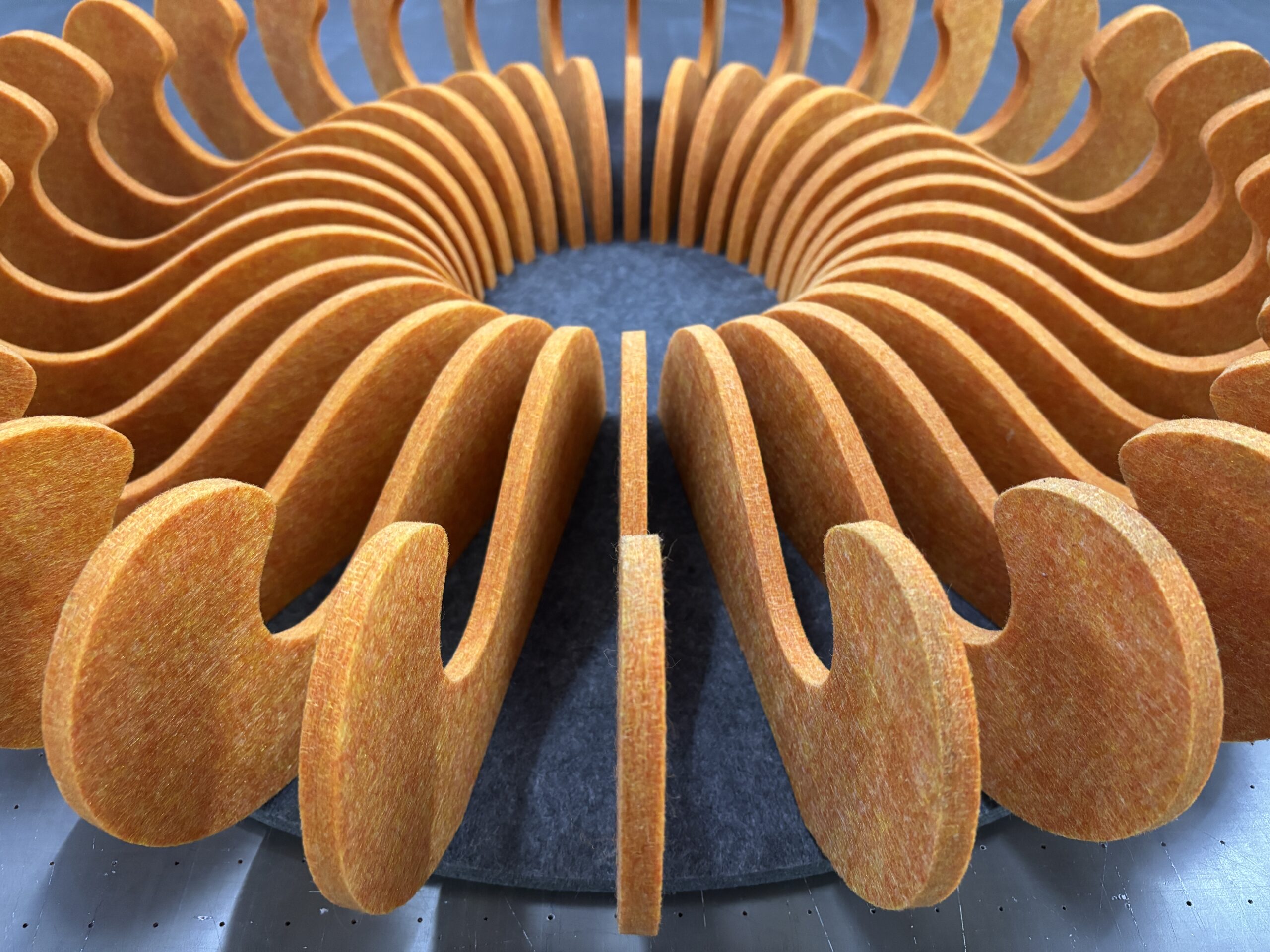
Introduction: A Decade Defined by Design with Purpose
Design is not merely about what we make — it’s about why we make it.
As the world enters 2025, the creative industries are embracing a truth that can no longer be ignored: sustainability is not optional; it’s elemental.
In architecture, interiors, and art, we’re witnessing a transformation driven by ethics, innovation, and empathy.
At uCrafto, this global shift takes shape through recycled art — an inspiring intersection of material intelligence and aesthetic integrity.
The Global Push Toward Conscious Design
Around the world, designers are reconsidering their material footprints. Carbon accounting, circular systems, and minimal-impact production have become cornerstones of modern practice.
This shift is visible everywhere:
- In Homes: Minimalist spaces with meaningful accents.
- In Hotels: Locally sourced, sustainable furnishings.
- In Corporates: Artwork that doubles as environmental advocacy.
The trend is clear — design that feels good must also do good.
Macro Trends to Watch in 2025
1. Elective Minimalism
Less is finally more. Consumers are choosing fewer, finer pieces that reflect timeless craftsmanship and purpose. uCrafto’s eco friendly wall art aligns perfectly — each work is a singular statement, not mass-produced decoration.
2. Material Transparency
Clients now demand to know the origin story of every object. By showcasing material journeys — from waste to wonder — uCrafto fulfils this expectation with honesty and pride.
3. Renewable Textures and Circular Design
Natural fibres, recycled metals, and upcycled plastics are redefining surface design. The emphasis is on beauty that regenerates rather than depletes.
4. Design for Disassembly
Sustainability no longer ends at delivery. Products and artworks are designed to be repaired, recycled, or re-imagined. uCrafto’s modular approach ensures longevity without compromise.
Where Recycled Art Leads the Way
Among these trends, recycled art stands as a pioneer. It’s both the proof and the poetry of sustainable design.
Material Literacy
Artists at uCrafto treat materials not as inert substances but as collaborators. Plastics are analysed for their colour, tensile strength, and reaction to heat, allowing precise control over each artwork’s texture and translucence.
Biophilic Resonance
Though plastic is synthetic, it can evoke the organic.
Our pieces mimic patterns found in nature — flowing strata, rippling water, or mineral veining — bridging the gap between artificial and natural beauty.
Inclusive Luxury
Sustainable art once belonged to niche galleries; now, it belongs everywhere. Through scalable editions and accessible designs, uCrafto ensures eco-luxury can grace both corporate lobbies and family homes.
Why Recycled Art Appeals to Architects and Designers
Designers are storytellers in space — and recycled art gives them a narrative worth telling.
- Authenticity: Each piece has a verifiable origin.
- Texture: Light interacts uniquely with layered plastics, adding depth.
- Adaptability: Works can be tailored for walls, partitions, or freestanding installations.
- Purpose: Every artwork becomes a visual anchor for sustainability narratives in interior projects.
In hospitality, for example, uCrafto’s pieces add emotional resonance to eco-resorts and boutique hotels where guests expect ethical elegance.
The Emotional and Environmental ROI
Investing in sustainable art isn’t just a moral choice — it’s a strategic one.
Brands that integrate eco art into their environments see higher engagement, improved perception, and alignment with modern consumer values.
For Homeowners:
Owning recycled plastic artwork reflects a lifestyle of care and creativity.
For Corporates:
Commissioning sustainable art supports ESG reporting and builds brand integrity in tangible, visible form.
For Collectors:
These works represent cultural foresight — they’ll define the era when art and ethics finally converged.
Why 2025 Is the Turning Point
Three global shifts are accelerating the adoption of sustainable design:
- Consumer Awareness: Environmental literacy is at an all-time high. People want proof, not promises.
- Regulatory Changes: Many nations now require sustainability reporting in construction and design sectors.
- Technological Innovation: Recycled materials now match or exceed the quality of virgin ones — removing the last aesthetic excuse.
Together, these trends create fertile ground for uCrafto‘s mission: transforming discarded plastic into the visual language of a cleaner future.
uCrafto’s Contribution to Sustainable Design
At uCrafto, innovation is purposeful. Each artwork is engineered for minimal waste, crafted under low-energy conditions, and finished with non-toxic sealants.
We collaborate with architects and designers to integrate our pieces into large-scale interiors, bridging fine art and functional design. Whether it’s a statement wall in a boardroom or a sculptural panel in a residence, every piece amplifies the story of regeneration.
Conclusion: Designing the Future Responsibly
The next chapter of design will be written by those who understand the planet’s limits and honour its potential.
Recycled art is more than a décor choice — it’s a declaration that creativity and conscience can coexist beautifully.
As 2025 unfolds, uCrafto continues to lead with vision, proving that when art chooses purpose, design finds its soul.

0 Comments