
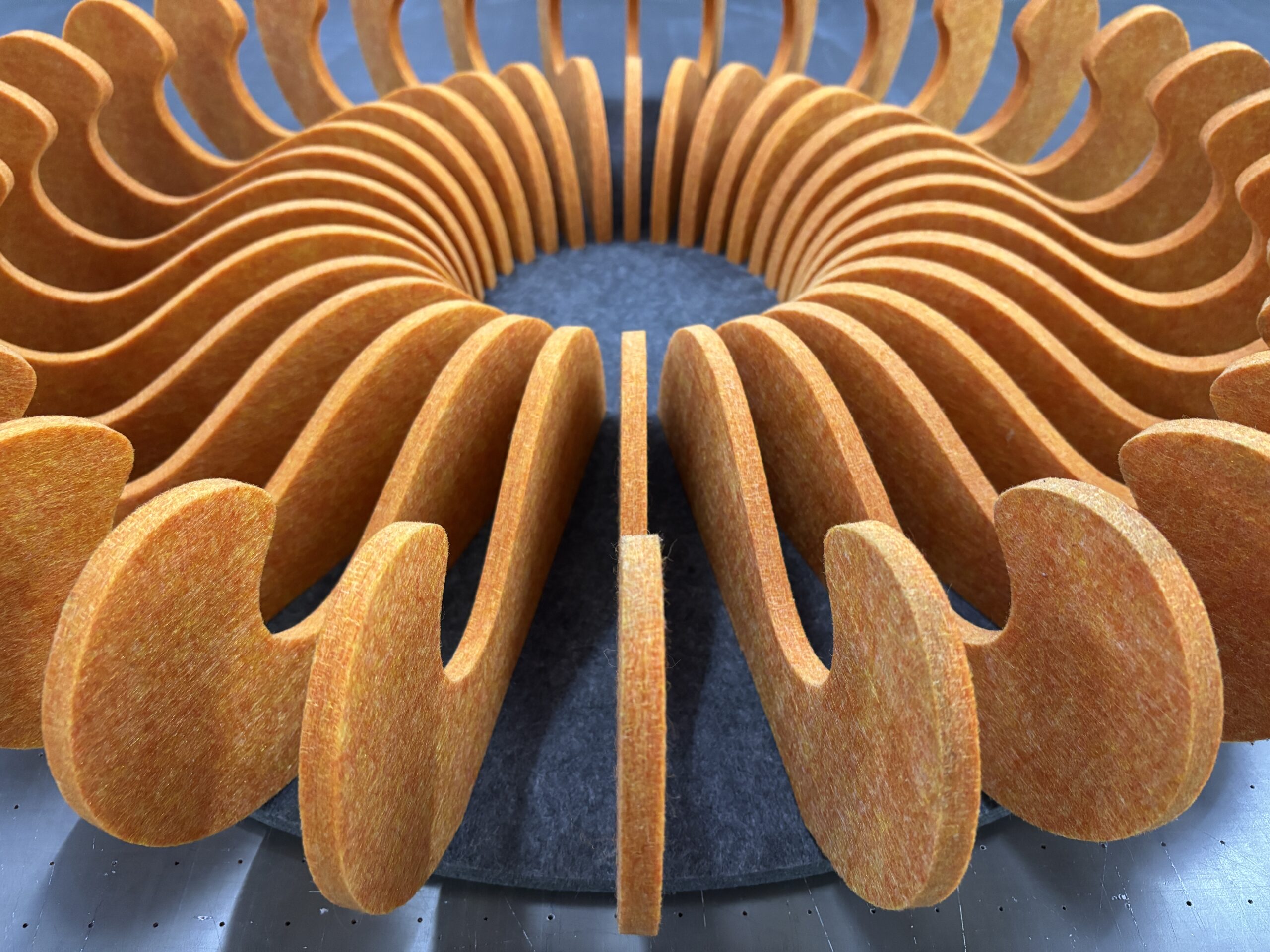
In a world obsessed with speed, efficiency, and disposability, there exists a quiet revolution happening in the hands of artisans who refuse to compromise. They carve wood that once served another purpose. They shape clay reclaimed from forgotten corners. They weave fibers salvaged from the refuse of faster industries. And they charge premium prices for their work.
The first instinct of many conscious consumers is to balk at the cost. Surely, they think, recycled materials should be cheaper? Isn’t the whole point of sustainability supposed to save money? This assumption reveals a fundamental misunderstanding about what true sustainability actually is—and what we’re really paying for when we invest in handcrafted recycled art.
The real cost isn’t in the materials. It’s in the intention.
The Hidden Architecture of Handcraft
When you purchase a mass-produced item made from recycled plastic, you’re buying efficiency. Machines process thousands of units per day. Energy costs are distributed across enormous volumes. Labor is reduced to its bare minimum. The price reflects this industrial reality: low cost, low environmental impact in production, high impact in obsolescence.
But when you purchase a handcrafted recycled piece from an artisan, you’re buying something radically different. You’re buying a process that cannot be rushed, a quality that cannot be standardized, and an intention that cannot be mass-produced.
Consider the journey of a single wooden sculpture. Before it becomes art, that wood must be sourced responsibly. This isn’t simply finding discarded lumber; it’s developing relationships with suppliers, understanding the provenance of materials, ensuring that the recycling process itself meets ethical standards. An artisan who sources responsibly might turn down 80% of available materials because they don’t meet their standards for sustainability and quality.
Once the material is selected, comes the design phase. This isn’t a CAD rendering that takes minutes. This is sketching, reconsidering, meditating on the material’s inherent character, understanding its grain and history, imagining what wants to emerge from it. A master carver might spend weeks in this phase alone, doing no visible work, simply being in relationship with the wood.
Then comes the carving itself—hours of patient, precise, intentional labor. Each curve is deliberate. Each line serves both form and function. There are no shortcuts in handcraft, no automated processes that can replicate the intuitive intelligence of a skilled artisan’s hands. A piece that might take a machine three minutes to produce through injection molding might require forty hours of hand carving to achieve its final form.
But the labor cost isn’t the main reason for the premium price. It’s what that labor represents: consciousness embedded in matter.
From Waste to Wisdom: The Real Cost of Responsibility
Here’s what most people don’t consider: ethical recycling costs money. Genuine sustainability requires systems, oversight, and often, acceptance of lower profit margins.
A factory producing items from recycled plastic might source their materials from the cheapest recycling facilities available, with minimal questions asked about environmental impact or labor practices in the recycling process itself. True sustainability requires asking harder questions: Where does this material come from? Who extracted it? Was the original recycling process harmful to workers or ecosystems? Is this source truly sustainable, or are we just moving the problem elsewhere?
Responsible artisans often work with recycling facilities that prioritize worker safety, environmental protection, and genuine material recovery—all of which increase costs. They might pay more for materials that have been recycled with care rather than accepting the cheapest available option.
They also invest in testing and quality control that mass production often skips. A handcrafted piece might be tested multiple times throughout its creation to ensure durability, safety, and longevity. Because these pieces are meant to be heirlooms, meant to last generations, they cannot be rushed through quality checkpoints.
Additionally, sustainable artisans typically maintain small operations, which means they cannot achieve the economies of scale that make mass production affordable. When you produce one thousand units per week, you can negotiate lower prices from suppliers and spread overhead costs across enormous volumes. When you produce five pieces per week, every cost is distributed across fewer units. This is the mathematics of sustainability: it’s inherently more expensive per unit than unsustainable alternatives.
But here’s the paradox: it’s actually cheaper per year.
The Geometry of Value: Reframing the Conversation
This is where the conversation needs to shift fundamentally. We’ve been conditioned to think about cost per piece, but we should be thinking about cost per year of use.
A mass-produced recycled plastic item might cost $30 and last two years. That’s $15 per year.
A handcrafted wooden piece might cost $300 and last fifty years—or a lifetime. That’s $6 per year. And that’s before accounting for the fact that it likely increases in emotional and material value over time, making it potentially worth more at the end of its life than at the beginning.
But the real geometry of value extends beyond simple mathematics. When you invest in handcrafted recycled art, you’re paying for something that actually gets better with age. A wooden sculpture develops patina, deepens in color, and becomes more beautiful as years pass. A mass-produced item degrades, becomes scratched and worn, and eventually ends up in a landfill.
You’re also paying for obsolescence resistance. A handcrafted piece won’t go out of style because style isn’t what created it—intention and timelessness did. Trends will come and go, but that wooden stool carved with care will remain beautiful decades from now. The mass-produced item will feel dated within a few years, replaced by the next trend.
Most importantly, you’re paying for the elimination of waste. Every handcrafted piece made to last a lifetime is a piece that won’t need replacement. Every replacement avoided is virgin material that won’t need to be extracted, processed, and transported. Every item that lasts generations is an act of resistance against the throwaway culture that got us into this ecological crisis in the first place.
The Invisible Labor of Love
There’s a concept that appears again and again in the stories of truly transformative art: the sacred wait. A grandmother preparing a wooden crib for a grandchild not yet born. An artisan spending weeks in contemplation before beginning to carve. A spiritual seeker sitting in silence for thirty years before allowing their gift to emerge into the world.
This invisible labor is what justifies premium pricing more than anything else.
In industrial production, invisible labor is eliminated wherever possible. Machines don’t contemplate. They don’t meditate on materials. They don’t hold intention. They simply execute programmed instructions. This efficiency is valuable—and it’s also precisely what makes industrial production incapable of creating art that truly moves the human soul.
Handcrafted work includes this invisible phase. The artisan standing before a piece of reclaimed wood, simply being present with it. The designer sketching dozens of iterations, most of which will be discarded. The maker pausing mid-work to reassess, to listen to what the material is telling them, to adjust their approach based on intuitive understanding rather than predetermined specifications.
This invisible work is what transforms an object into a vessel. It’s what allows art to communicate not just with the eyes but with the deeper parts of consciousness. When you hold a handcrafted piece, you can feel the intention that went into it. It’s palpable. That feeling isn’t an accident—it’s the direct result of conscious labor.
Industrial production can never replicate this, because it’s designed to eliminate precisely this kind of consciousness from the process. And that’s fine for certain applications. But for pieces meant to endure generations, meant to hold meaning, meant to connect us to something larger than ourselves—this invisible labor is essential.
And it costs money. Not because labor is expensive, but because consciousness cannot be rushed or standardized.
The Philosophy of Premium Pricing
What we’re really discussing is a philosophy about what we value and what we’re willing to invest in.
When you pay premium prices for handcrafted recycled art, you’re making a statement about your values. You’re saying: I believe that sustainability matters enough to pay for real sustainability, not performative sustainability. I believe that beauty and meaning are worth investing in. I believe that heirloom quality is more important than disposable convenience. I believe that artists deserve fair compensation for their skill and consciousness.
You’re also making a statement about time. In a world that tries to compress everything into shorter and shorter time horizons, paying premium prices for something meant to last a lifetime is a radical act. You’re saying: I’m thinking in terms of decades and generations, not quarters and trends.
Moreover, you’re making a statement about waste. Every premium-priced handcrafted piece you purchase instead of a cheaper mass-produced alternative is a statement that you refuse to participate in the throwaway economy. You’re voting with your money for a different future—one where things are made to last, where artisans are valued, where sustainability isn’t a marketing term but a genuine practice.
This is worth paying for. Not because it’s trendy or fashionable, but because it’s fundamentally necessary if we want to build a sustainable future.
The Flowering Economy: Supporting Transformation
When you buy from an artisan creating handcrafted recycled pieces, you’re funding more than just a product. You’re funding a livelihood. You’re enabling someone to continue their transformative work. You’re supporting a small business that’s operating outside the industrial machine, choosing quality and consciousness over volume and profit maximization.
In many cases, you’re also supporting a person’s spiritual or artistic practice. The artisan carving that wooden sculpture isn’t just making a living—they’re expressing their purpose. They’re channeling something through their hands into matter. They’re creating beauty in a world that desperately needs it.
When you pay premium prices, you’re making it possible for these artisans to continue this work without burnout, without compromise, without having to scale up in ways that would destroy what makes their work valuable in the first place.
You’re also potentially funding environmental protection and community support. Many responsible artisans donate portions of their proceeds to conservation efforts, support local communities where their materials come from, or invest in education and skill-building for the next generation of sustainable makers.
Every purchase at premium prices ripples outward in ways that cheaper alternatives simply cannot.
The Stories Embedded in Price
Here’s something rarely discussed: handcrafted pieces increase in value when they carry stories.
A wooden stool that cost $300 becomes priceless when it holds the memory of a grandmother’s vigil with a newborn. A carved sculpture becomes an heirloom when it represents someone’s artistic awakening. A woven piece becomes treasured when it’s been passed down through three generations of a family.
Mass-produced items don’t accumulate this kind of value. They depreciate. They become obsolete. They’re forgotten.
But handcrafted pieces become more precious over time. Their monetary value might increase as they become vintage or antique. Their emotional value grows exponentially as they collect memories and meaning. Their cultural value becomes apparent as they represent a particular moment in time, a particular artisan’s vision, a particular level of craft that may no longer be practiced.
When you pay premium prices for handcrafted recycled art, you’re not just buying an object. You’re buying the potential for it to become a treasure, a heirloom, something worth passing down.
The Beautiful Truth About Premium Pricing
Ultimately, premium pricing for handcrafted recycled pieces isn’t a luxury markup. It’s a fair reflection of what’s actually being created: not just objects, but vessels for intention. Not just products, but pieces of transformed consciousness. Not just purchases, but investments in a different kind of future.
Every time someone chooses to pay premium prices for handcrafted recycled art, they’re choosing quality over quantity, meaning over convenience, consciousness over unconsciousness. They’re choosing to believe that their money matters, that their purchases shape the world, that investing in beauty and sustainability and fair labor is worth the cost.
And that choice, made by enough people, has the power to reshape entire industries.
The premium price isn’t a barrier to access. It’s an invitation to participate in transformation—both the transformation of discarded materials into art, and the transformation of our relationship with consumption, creativity, and what we value.
When you understand what you’re actually paying for, premium pricing becomes not just justifiable—it becomes beautiful.

0 Comments